4m Mobile Scaffold Or Full Mobile Scaffold Tower?
Use the tool first. It tells you whether the brief still looks like a compact 4 m working-height request, a narrow-access tower question, or a higher-risk boundary case where the phrase is too vague to trust on its own.
Published Mar 21, 2026. Updated Mar 21, 2026. Canonical route: /mobile-scaffold-tower.
Use this inbox first for height basis, environment, footprint or deck constraint, quantity, destination country, and document requests.
Current evidence note: the route treats 4 m wording as search shorthand, validates the basis against official safety guidance, and uses public product pages only as market-reference bands rather than pretending they replace site-specific review.
If you searched for 4m mobile scaffold, mobile scaffold 4m, or mobile scaffold tower, this page answers the cluster on one URL instead of splitting a thin alias page away from the actual decision logic. The first commercial question is whether the buyer means working height or platform height, then whether the job still fits a compact tower or needs a fuller mobile scaffold tower path.
If your search intent is explicitly commercial, including aluminium mobile scaffold tower, use the sale-intent canonical route for tool-first purchase shortlisting and procurement boundaries.
Research refresh: Mar 21, 2026. Evidence base on this route is anchored to HSE, Safe Work Australia, PASMA, and official BoSS / ZARGES pages rather than generic reseller copy.
Run the full 4m mobile scaffold tool
This tool uses 4 m as the starting working-height value, shows the grouped package logic, and switches to manual review when the combination should not be forced into a standard package. If the buyer means 4 m platform height instead, use the assembly route or change the working-height input before trusting the output.
Core takeaways before you quote a 4m mobile scaffold
The single biggest error on this query cluster is treating 4 m as if it already defined a safe package. These cards summarize the practical answer, the evidence basis, and the smallest safe next step.
Why this page can answer both the tool intent and the research intent
The method is deliberately conservative: normalize the height basis, test the request through the tool, verify the result against official safety guidance, and only then push the buyer into a family route or email handoff.
Research reviewed on Mar 21, 2026. Public source stack:
Compare the realistic routes instead of guessing from the phrase
The compare layer is here to stop thin alias drift. It shows when a 4 m brief still behaves like compact access, when it becomes a narrow-access tower question, and when it has already moved into a wider-deck or higher-risk tower discussion.
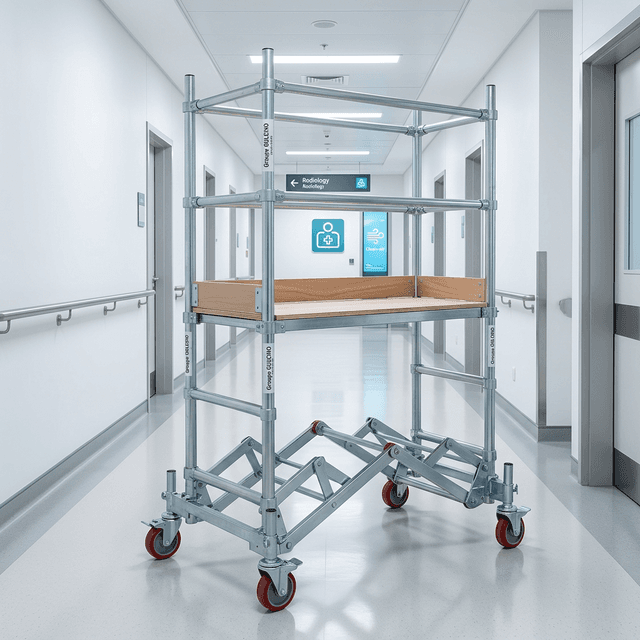
A corridor brief that really means 4 m working height usually starts with compact or foldable access because portability and doorway fit matter more than deck width.
Compact indoor route with strict footprint limits.
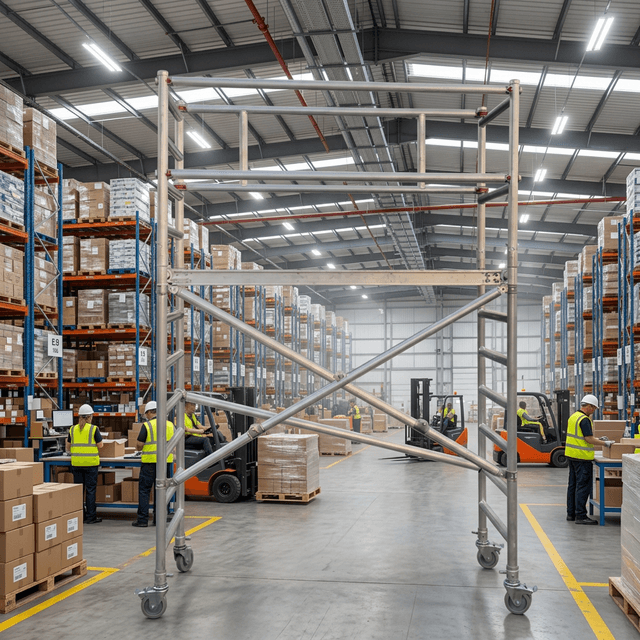
If the team still needs true tower geometry and narrow aisle movement, single-width becomes the more credible path than a podium-style answer.
Narrow-access tower review rather than low-level shorthand.
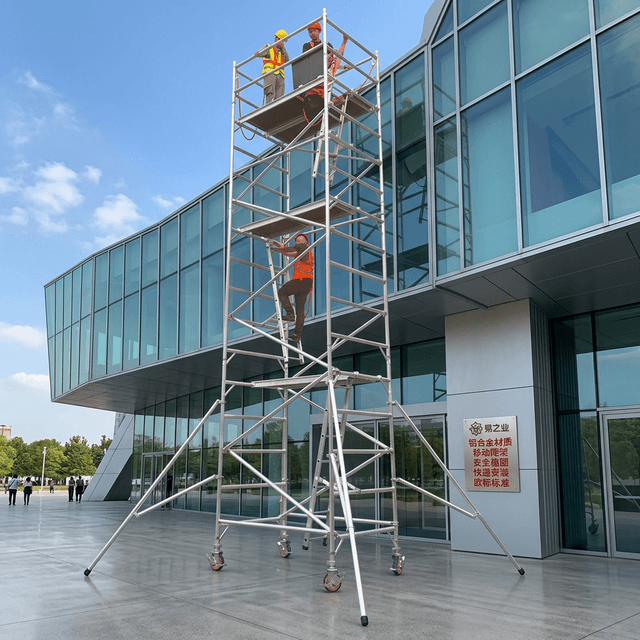
An outdoor facade touch-up brief should move out of the “small portable” mindset quickly because exposure, stabilizers, and relocation method matter more than the 4 m phrase itself.
Outdoor boundary state that should not be forced into compact logic.
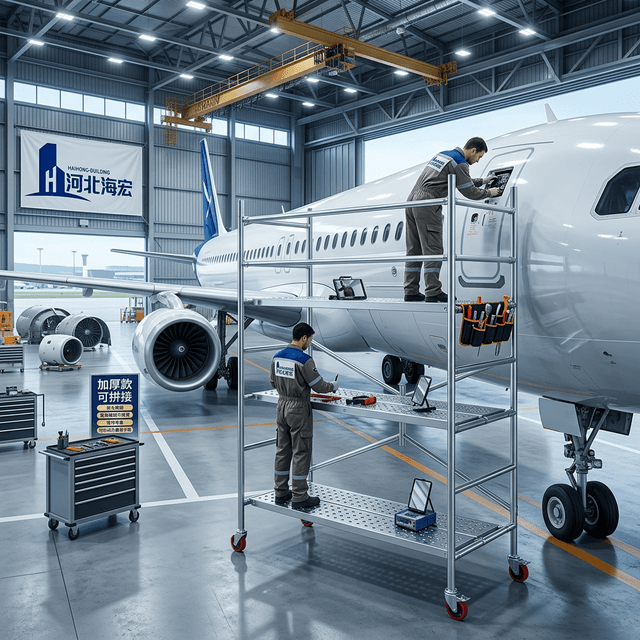
When the job includes wider tool spread, repeated tasks, or two-person workflow, a double-width route or manual review is usually safer than staying with a compact 4 m answer.
Wider-deck escalation even when the brief still sounds “small”.
When not to trust a simple 4m answer
The page is useful because it says “no” clearly. A 4 m keyword is not permission to skip height-basis review, movement rules, or environment checks. These are the states where the result must stay conservative.
Mobile scaffold tower questions buyers ask before sending the RFQ
These questions are written as decision questions, not glossary filler, so the page can keep the alias intent and the canonical route aligned.
Turn the 4m phrase into a usable buying brief
The shortest successful handoff is still: confirm the height basis, state the environment, name the footprint or deck constraint, then send the route into the right family or direct inquiry.
Send the height basis, environment, footprint or deck constraint, quantity, and destination country to this address. You can also copy the inbox directly from the CTA.
Scaffold Tower Assembly
Use this when the buyer only knows the 4 m phrase and needs to separate working height from platform height before quoting.
Scaffolding Safety Quick Check
Use the safety route when the buyer is no longer only comparing package height and now needs a release, inspection, or hard-stop check before use.
Build by Height
Use the wider planner when the brief is no longer only about 4 m and the buyer needs family, height, and usage context compared together.
Single Width Scaffold Tower
Move here when the job still needs a true mobile tower but footprint control is more important than deck width.
Double Width Scaffold Tower
Move here when the job has already become a wider-deck or outdoor stability conversation instead of a compact 4 m access question.