Aluminium Scaffold TowerAluminium Scaffold Tower
  • OEM & Custom
  • Standards
  • Insights
  • About
  • Contact
  • FAQ
Email Us
Aluminium Scaffold TowerAluminium Scaffold Tower

Lightweight aluminium scaffold tower supply for contractors, hire fleets, and facility teams that need practical product pages and direct email support.

[email protected]
Products
  • Products Directory
  • Build by Height Tool
  • Single Width Towers
  • Double Width Towers
  • Foldable Scaffold
  • Scaffold Castor Wheels
  • Scaffold Base Jacks
Company
  • About
  • Contact
  • Standards
  • Insights
  • FAQ
Legal
  • Cookie Policy
  • Privacy Policy
  • Terms of Service
© 2026 Aluminium Scaffold Tower. All Rights Reserved.
  1. Home
  2. Products
  3. Scaffold Tower Assembly Instructions
Published Mar 21, 2026 · Updated Mar 21, 2026 · Reviewed Mar 21, 2026Hybrid route: tool + report
Canonical route: /scaffold-tower-assembly
scaffold tower assembly instructions4.9 meter scaffold assemblymobile access tower manualAGR / 3T assembly

Scaffold Tower Assembly Instructions With A 4.9 m Planning Layer First

This page is built for ambiguous phrases like 4.9 meter scaffold assembly. The tool normalizes the height basis first, then the report layer explains whether you are in low-level access, standard mobile access tower, or specialist tower territory.

It is deliberately conservative. The page helps you avoid a false universal parts list, but it does not replace the current manufacturer instructions, site risk assessment, or inspection record.

Manual-led

HSE and PASMA both push the current manual to the center of the answer.

Width-aware

Single-width and double-width towers should not be chosen by habit when the height class is already meaningful.

Boundary aware

The planner routes low-level and specialist briefs away from fake certainty.

Priority inquiry email
[email protected]

Use this inbox for height basis, environment, tower width or system, geometry constraints, and destination-market documentation needs.

Email for manual review
Use the 4.9 m quick planner
4.9 m quick planner4.9 meter scaffold assemblyMethod and evidenceDecision boundariesCompare routesRisk checksFAQ
Tool-first quick planner
Normalize a 4.9 meter scaffold assembly brief before anyone guesses the parts

If you do not lock this first, a 4.9 m request can point to two very different equipment paths.

The planner is strict on boundaries so it can send unclear heights to manual review instead of forcing a misleading answer.

Result panel
What the input means operationally

Start here if the phrase is only “4.9 meter scaffold assembly”.

The tool translates the brief into normalized platform height, approximate working height, the likely equipment class, and the next action the buyer or site team should take.

Empty state

Default preset uses 4.9 m platform height because that is the ambiguous alias this page absorbs.

Boundary aware

Low-level and specialist briefs do not get forced into a fake universal tower pack.

Action ready

Every result ends with a next-step handoff, not just a number.

Summary first

Core conclusions and numbers you can actually act on

The fast answer is not “here are the parts”. The fast answer is which route the brief belongs to, what the limiting numbers are, and what should happen next before assembly starts.

Platform vs working
First translation

A 4.9 m brief is not actionable until the page converts it into both platform height and approximate working height, then checks the exact manual table because public datasheets often use a 1.75 m reach allowance instead of a round 2.0 m.

8 m / 12 m
Freestanding envelope

PASMA frames standard EN 1004 mobile access towers around 8 m platform height outdoors and 12 m indoors.

2.25 m max
Assembly geometry

The revised EN 1004 guidance shortens platform intervals and pushes more disciplined staged assembly.

7 days on site
Inspection rhythm

HSE expects inspection after assembly and at suitable intervals; the 7-day on-site rule is the relevant-construction-work trigger, plus after events that affect safety.

Explicit alias answer
What “4.9 meter scaffold assembly” actually means on site

The alias is not a dedicated new route. It resolves to this canonical page because the real user need is the same: translate the height, classify the tower route, and then use the current manual for the final component list.

One phrase, multiple interpretations

If 4.9 m is platform height, the job is already a full mobile access tower conversation. If 4.9 m is working height, the platform lands much lower and may become a boundary decision.

Boundary note

The page uses a practical planning conversion. Final safe height, spacing, stabilizer fit, and release-to-use checks are all system-specific and manual-specific.

Translation table
Use this before choosing components
Original phrasePlatformWorkingRouteWhy it matters
“4.9 m scaffold assembly” meaning platform height4.9 m~6.9 mStandard mobile access towerAlready well beyond low-level access. Treat as a full tower brief with a current manual and stabilizer plan.
“4.9 m scaffold assembly” meaning working height~2.9 m4.9 mShort standard tower firstThe page uses a rough 2.0 m allowance, while public manufacturer datasheets often use about 1.75 m. Either way, most 4.9 m working-height briefs sit above PASMA’s under-2.5 m low-level band and should start in standard tower logic before the manual confirms the exact table.
“4.9 m tower” meaning total structure height onlyUnknownUnknownDo not quote yetTotal tower height is not the same as platform or working height. Lock the basis in writing before choosing components.
“4.9 m outdoor tower on stairs / bridge / cantilever”Project specificProject specificSpecialist / non-standardOnce the geometry is non-standard, the brief leaves normal EN 1004 freestanding mobile tower logic.
Good fit

Procurement or site teams who already know the rough height but need to stop ambiguity before choosing a tower family or asking for a quote.

Also useful

Buyers comparing single-width against double-width tower logic and needing a documented reason for the choice.

Not enough by itself

Crews already on site with a tower system in hand but without the current manufacturer manual. This page cannot replace that document.

Method and evidence

The method layer tells you why the tool output is safe to trust

This page is designed to stop weak assembly answers. It uses public guidance to classify the tower route, then it hands the exact sequence back to the current tower system manual.

Assembly checkpoints
Four control points from brief to release-to-use

Manual-led sequence

The fastest wrong answer is a generic assembly memory. The safest quick answer is route first, manual next.

Stability before speed

Stabilizers, outriggers, level base, and full matching components are part of the route, not optional extras.

PhaseWhat to confirmWhy it changes the answer
Before assemblyHeight basis, access route, ground condition, and whether the tower is truly standard freestanding EN 1004.The wrong category decision creates the biggest downstream error in component choice and safe-use assumptions.
During staged buildCurrent manual sequence, recognised AGR / 3T method, trapdoor platforms, and the platform spacing the system is designed for.HSE and PASMA both treat the assembly sequence as a safety control, not a cosmetic preference.
Before release to useGuardrails, toeboards, bracing, stabilizers / outriggers, wheel locks, and that no incompatible parts have been mixed in.Tower collapses and overturns are commonly tied to omitted parts, poor stability setup, or ad-hoc substitutions.
While in serviceInspection record, weather exposure, no movement with people or materials onboard, and no undocumented alteration.A correctly assembled tower still becomes unsafe if site conditions or configuration change and the record is not updated.
Source-backed
Public guidance reviewed on Mar 21, 2026
SourceUpdatedVerified factApplies whenWhat it changes
HSE tower scaffoldsReviewed Mar 21, 2026HSE says tower suppliers must provide the instruction manual, towers should be inspected after assembly, and towers should be reduced to 4 m maximum before movement.UK HSE construction guidance for use and movementThe page can narrow the route, but it cannot publish a universal 4.9 m parts list or movement rule that overrides the current manual.
HSE work at height FAQReviewed Mar 21, 2026HSE points tower users to essential safety features including trapdoor platforms at 2 m intervals, four stabilizers, and the recognised AGR / 3T safe assembly methods.Public checklist for standard mobile tower setupMethod matters. A “correct” height with the wrong assembly sequence is still a failed answer.
PASMA EN 1004 revision guideReviewed Mar 21, 2026PASMA’s EN 1004 summary keeps standard mobile towers inside the 8 m outdoor / 12 m indoor platform-height envelope and caps platform intervals at 2.25 m.Freestanding EN 1004 mobile access towers4.9 m platform height is comfortably inside the envelope, but it is far enough up the tower that staged assembly discipline is expected.
PASMA product standards + low-level routeReviewed Mar 21, 2026PASMA routes low-level work platforms under 2.5 m platform height into BS 8620 territory and excludes baseplates, bridges, cantilevers, stairs, and tied or linked towers from standard EN 1004 logic.Boundary checking before classifying the briefA 4.9 m working-height brief is usually still a standard tower conversation, but non-standard geometry or base conditions can push it out of EN 1004 even at the same nominal height.
TB Davies public datasheetsReviewed Mar 21, 2026Public TB Davies datasheets use a 1.75 m working-height allowance; at 2.81 m platform height, single-width and double-width towers already show different stabilizer footprints and weights.Manufacturer cross-check near a 4.9 m working-height briefTreat 4.9 m as a route-planning input. Pull the final component list, footprint, and stabilizer trigger from the exact system manual.
Work at Height Regulations 2005In force Apr 6, 2005Regulation 12 and Schedule 7 distinguish post-assembly inspection from the 7-day on-site inspection record required on relevant construction work.Legal inspection record and competent-person checksThe page now separates a general inspection duty from the narrower construction-site 7-day trigger instead of merging them into one rule.

HSE tower scaffolds

Reviewed 2026-03-21

Reviewed Mar 21, 2026. HSE page says towers should be inspected after assembly, reduced to 4 m maximum before movement, and never moved with people or materials onboard.

Open source

HSE work at height FAQ

Reviewed 2026-03-21

Reviewed Mar 21, 2026. HSE FAQ lists trapdoor platforms at 2 m intervals, four stabilizers, minimum 950 mm guardrails, and recognised AGR / 3T assembly methods.

Open source

Work at Height Regulations 2005

Reviewed 2026-03-21

In force Apr 6, 2005. Schedule 7 and regulation 12 separate post-assembly inspection from the 7-day on-site inspection rule used on relevant construction work.

Open source

PASMA EN 1004 revision guide

Reviewed 2026-03-21

Reviewed Mar 21, 2026. PASMA summarises EN 1004-1:2020 with 8 m outdoor / 12 m indoor platform-height designation, 2.25 m maximum platform spacing, and wind-load references.

Open source

PASMA product standards FAQ

Reviewed 2026-03-21

Reviewed Mar 21, 2026. PASMA lists what sits outside EN 1004-1, including baseplates, stairs, bridges, cantilevers, linked towers, and high-wind or tied configurations.

Open source

PASMA low-level towers for users

Reviewed 2026-03-21

Reviewed Mar 21, 2026. PASMA places low-level work platforms under 2.5 m platform height in a separate BS 8620 training and product route.

Open source

TB Davies AGR single-width datasheet

Reviewed 2026-03-21

Reviewed Mar 21, 2026. Public datasheet uses a 1.75 m working-height allowance; the 2.81 m platform row already shows a 4690 x 3460 mm stabilizer footprint. Public PDF date not clearly stated.

Open source

TB Davies AGR double-width datasheet

Reviewed 2026-03-21

Reviewed Mar 21, 2026. At the same 2.81 m platform height, the public double-width datasheet widens the stabilizer footprint to 4690 x 4070 mm and raises nett weight to 176 kg. Public PDF date not clearly stated.

Open source

TUBESCA-COMABI manual example

Reviewed 2026-03-21

Manual issue 11/2021. Example EN 1004 tower manual forbids bridges and sheeting, limits movement to firm level ground below 35 km/h, and says dismantle above 45 km/h.

Open source
Decision boundaries

The shortcut only works if the hidden boundary conditions stay visible

Stage1b added the missing evidence layer around scope, legal inspection boundaries, and manufacturer data. These are the points most likely to change the answer even when the headline number is still 4.9 m.

Boundary table
Questions that change the route immediately
Decision questionPublic answerWhy it mattersSource
Does a 4.9 m working-height brief usually count as low-level access?Usually no. This page’s rough 2.0 m allowance lands around 2.9 m platform height, and public manufacturer datasheets often use about 1.75 m, which pushes the platform closer to 3.2 m.PASMA places low-level platforms under 2.5 m platform height, so most 4.9 m working-height briefs still start in standard tower logic.PASMA low-level route + TB Davies datasheets
When does the 7-day inspection rule really apply?It is the construction-work trigger where a person could fall 2 m or more. HSE still expects post-assembly and event-driven inspection outside that specific on-site 7-day record rule.This stops maintenance or facilities users from treating a construction-specific legal record as the only inspection rule.HSE + Work at Height Regulations 2005
When is EN 1004 no longer the right default route?Once the tower needs baseplates, ties, stairs, bridges, cantilevers, linked bays, large decks, or exposure beyond EN 1004 wind assumptions, the brief leaves the standard freestanding mobile-tower path.The height can stay the same while the governing standard, training route, and manual all change.PASMA product standards FAQ
Can an assembled tower always be moved if the site is clear?No. HSE says reduce to 4 m maximum before movement and never move it with people or materials onboard. Example manuals can add stricter wind, ground, and stabilizer conditions.Movement is a separate operating mode with its own limits; it is not the same as static in-use height.HSE tower scaffolds + TUBESCA manual example
Manufacturer cross-check
Public datasheets show why one generic 4.9 m parts list is not credible
Public examplePlatformWorkingStabilizersWeightWhat it shows
TB Davies AGR single width2.34 m4.09 mn/a106 kgBelow a typical 4.9 m working-height brief, the public datasheet still shows a shorter no-stabilizer setup.
TB Davies AGR single width2.81 m4.56 m4690 x 3460 mm135 kgVery close to a 4.9 m working-height brief and already into a real stabilizer footprint.
TB Davies AGR double width2.81 m4.56 m4690 x 4070 mm176 kgSame height, but width changes the footprint and adds 41 kg. Width is not a cosmetic decision.

Public-data gap to respect

There is no reliable public cross-brand dataset that turns a generic “4.9 meter scaffold assembly” phrase into one universal parts list. If the exact manual table is missing, the correct answer is pending confirmation, not a guessed brace and stabilizer schedule.

Visual cues

The page uses diagrams and real assembly visuals, not only text
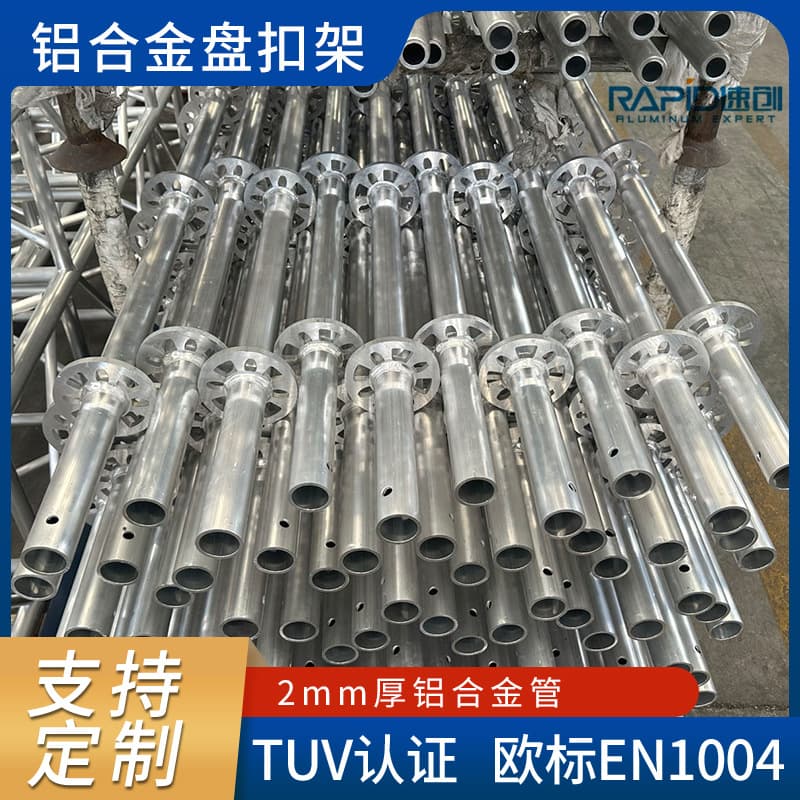
Single width scaffold tower assembly diagram

Use diagrams and manuals to control the assembly sequence, not just the final tower silhouette.
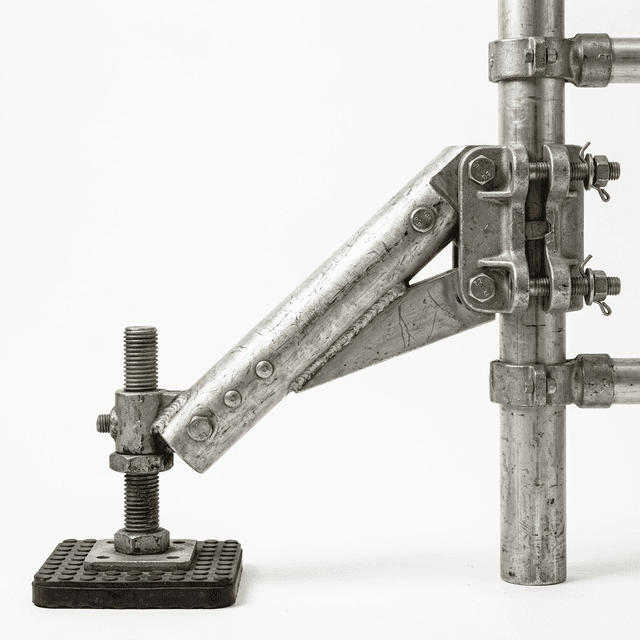
Scaffold tower with outriggers and stabilizers

At 4.9 m platform-height class, stability hardware should be assumed and then confirmed against the exact manual.
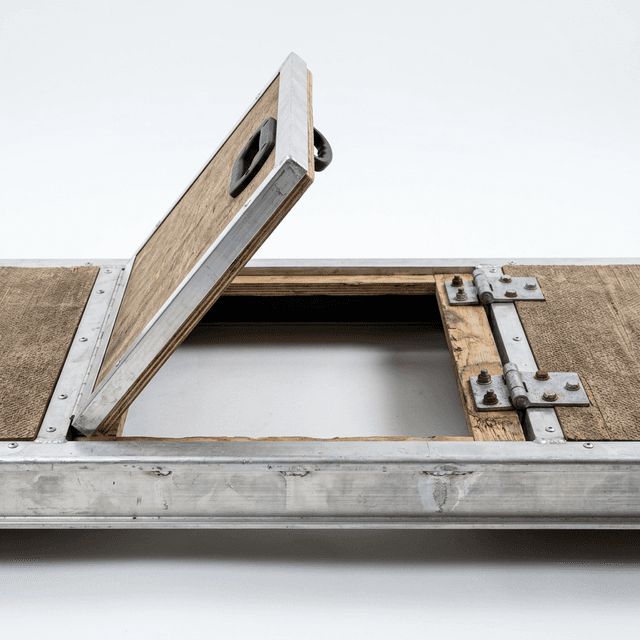
Trapdoor scaffold platform close-up

Trapdoor platforms, interval spacing, and guardrail order are part of the assembly answer, not accessories added later.

Secondary CTA

Need a manual-ready brief instead of another 4.9 m guess?

Send the normalized height basis, the environment, and any geometry constraint while the evidence layer is still fresh. That keeps purchasing, supervision, and manual review on the same route.

Priority inquiry email
[email protected]

Send the normalized height basis, environment, and any geometry constraint while the evidence layer is still fresh. The address stays visible for copy-first handoff.

Email for manual review
Compare height routesReview EN 1004 context

Public sources reviewed

9

HSE, PASMA, legislation, public datasheets, and a model-specific manual example.

Route classes compared

3

Low-level access, standard EN 1004 mobile tower, and specialist / non-standard tower.

Boundary questions answered

4

Low-level cutoff, inspection trigger, EN 1004 scope, and movement limits.

Compare routes

Do not let a 4.9 m phrase hide the real equipment class

Category logic
Tower route selection in one glance

Environment limit

Outdoor freestanding tower decisions tighten earlier than indoor ones, so the same height cannot be routed the same way by default.

Width is not cosmetic

Once the tower is meaningful in height, deck width becomes a real operational choice, not a later accessory note.

The safest comparison is not between brands first. It is between equipment classes and geometry constraints.

Decision table
Which path fits, and which one should be ruled out
OptionHeight bandStandards / manual pathChoose whenAvoid when
Low-level work platform / podiumUnder 2.5 m platform heightBS 8620 low-level access routeThe task is short, compact, and the working platform is genuinely low-level.The brief is already around 4.9 m platform height or a 4.9 m working-height request that still lands above the low-level band once the manual table is checked.
Standard mobile access towerFreestanding, wheeled, single-bay tower inside 8 m outdoor / 12 m indoor platform heightEN 1004 mobile access towerThe tower is freestanding, single-bay, wheeled, and the job matches a normal tower workflow.The geometry needs stairs, bridges, cantilevers, baseplates, ties, or other non-standard arrangements.
Specialist / non-standard towerAbove standard freestanding limits or unusual geometryDesign-led / BS 1139-6 style routeThe tower needs ties, stairs, bridges, high-clearance frames, or site-specific design work.The job is actually a normal freestanding mobile access tower and only needs the correct standard manual.
Ladder shortcutShort-duration, low-risk tasks onlySeparate ladder risk routeA risk assessment truly supports a ladder instead of a tower.You need a working platform, guardrails, collective fall protection, or repeated work around a 4.9 m tower brief.
Risks and limits

Risks worth calling out before the tower ever goes up

Risk lens
The page treats risk as part of the output

Why this matters

A hybrid page is only credible if the tool output includes failure conditions. Otherwise it trains the reader to trust the page more than the actual tower system manual.

Risk matrix
Impact, trigger, and mitigation in one place
RiskImpactTypical triggerMitigation
Height basis mismatchHighOne team means platform height while another means working height.Repeat both normalized heights in the quote, method statement, and manual request.
Wrong equipment classHighA low-level brief gets forced into a full tower pack, or a full tower brief gets treated like a podium.Classify the route first: low-level platform, standard mobile tower, or specialist tower.
Manual-free assemblyCriticalCrew uses “generic scaffold assembly” memory instead of the current system instructions.Pull the current manufacturer manual and keep it available at the point of use.
Mixed systems or omitted partsCriticalTower is assembled with missing braces, substitute platforms, or incompatible stabilizers.Use complete, system-matched components only and verify the full safety feature set before release.
Unsafe movement or weather exposureHighTower is moved above 4 m, with people/materials onboard, or in conditions the manual does not allow.Follow HSE movement rules first, then the model-specific wind and ground limits. Stop using the tower when conditions invalidate the setup.
Scope mismatchHighA tower on stairs, baseplates, ties, bridges, or cantilevers is treated like a normal EN 1004 freestanding tower.Reclassify the brief before assembly and pull the correct specialist or BS 1139-6 style route instead of stretching the standard tower answer.
Inspection driftMediumTower stays in service after weather, damage, or alteration without a competent inspection.Reset the inspection record after assembly, every 7 days where relevant, and after any event that could change safety.
Scenario examples

Example outputs for common real-world briefs

BriefRecommended outputWhy
Indoor maintenance brief says 4.9 m platform height, width not specified.Treat as a full mobile access tower around 6.9 m working height and compare single-width against double-width based on access width.The number is too high for low-level access and still inside the standard indoor tower envelope.
Outdoor brief says 4.9 m working height in a narrow corridor.Normalize to about 2.9 m platform height in the planner, then cross-check the exact manual table because public datasheets often land slightly higher and already introduce stabilizer geometry.The risk is not height alone; it is choosing the wrong equipment class from an ambiguous phrase.
Buyer says 4.9 m tower on stairs.Escalate to specialist / non-standard tower review instead of normal EN 1004 freestanding logic.Stair geometry changes the tower category, the manual, and the training path.
Crew has an old tower but no current manual and wants a fast 4.9 m setup answer.Stop and obtain the exact system manual before assembly continues.A generic internet sequence cannot replace the current manufacturer instructions.
FAQ

Questions that usually decide the next move

Planning the height

Assembly boundaries

Inspection and use

Related routes

Keep the tower brief moving with the right next page

These internal routes handle the next decision once the 4.9 meter scaffold assembly phrase has been normalized into a real tower path.

Build by Height

Compare platform height against working height before the tower family is chosen.

Open Build by Height
Scaffolding Safety Quick Check

Use this when the next question is whether the assembled scaffold is still inside a safe inspection and release route.

Open Scaffolding Safety Quick Check
Single-Width Scaffold Tower

Use this when narrow access is the real constraint and you need a width-specific follow-up.

Open Single-Width Scaffold Tower
Double-Width Scaffold Tower

Review the broader-deck route when stability and working space matter more than corridor access.

Open Double-Width Scaffold Tower
Standards and Documentation

Check the standards route when the brief needs manual, compliance, or documentation context.

Open Standards and Documentation
Scaffold Castor Wheels

Follow the wheel and movement hardware route when the operating mode becomes part of the risk review.

Open Scaffold Castor Wheels
Products Directory

Return to the product hub if the 4.9 m brief needs a wider tower-family comparison first.

Open Products Directory
Final CTA

Ready to convert the brief into the correct manual and tower family?

Send the entered height, the locked basis, the environment, and any site constraints. That makes the next reply useful for both purchasing and site supervision.

This page is a planning aid, not a site-specific method statement. Final assembly, use, dismantling, and inspection still depend on the current tower system manual and local rules for the exact job.

Priority inquiry email
[email protected]

Use this address for a manual-ready assembly brief, including the height basis, route constraints, and any documentation requirement.

Email for review
Open Build by HeightReview standards