Australian Standard Scaffolding & AS/NZS 1576 Checker
Instantly check documentation needs for EN 1004, Australian standards for scaffolding, and other major regulations based on your specific project needs. For Australian standards scaffolding requests—whether checking Australian standards scaffolding QLD requirements or national boundaries—keep AS/NZS 1576 part/version evidence separate from EN 1004 product evidence and local WHS review.
Scaffolding Standards Requirements Checker
Select market, use case, product type, and the 2 m / 4 m height boundaries to get an instant documentation path for Australian scaffolding standards, AS/NZS 1576, EN 1004, or local review.
The checker returns a documentation path and uncertainty notes, not a final compliance certificate.
Complete the selections on the left to see your documentation review path.
Empty state: no assumptions are made until market, use case, product type, and platform/fall height boundary are selected.
Key Takeaways for Procurement
Use the checker as an early routing tool, then move standards claims into part/version evidence and local acceptance review before placing orders.
Review Dependency
Market, use case, product type, and platform/fall height boundary must travel together. An EN 1004 certificate does not answer an Australian Standard 1576 scaffolding request on its own.
Evidence Base
Standards Australia, Safe Work Australia, WorkSafe NZ, and BSI references are separated from buyer actions so the page supports decisions without overclaiming certification.
Height Dictates Rigor
As tower height changes, the document pack can change with stabilizers, outriggers, platforms, castors, and manual scope. Check the package before assuming a certificate still applies.
Early Communication
The costly mistake is ordering first and asking for part/version evidence later. Use the tool above to start the email with exact requirements.
EN 1004 vs AS/NZS 1576: Key Differences & Methodology
A common procurement mistake is assuming an "EN 1004 Certified" tower automatically complies with Australian or New Zealand workplace laws. Treat EN 1004 and AS/NZS 1576 as different evidence paths: the public page can route the question, but final acceptance depends on part/version records, the supplied manual, local duties, and buyer-side review. Source metadata below was rechecked on 2026-07-13.
| Feature / Metric | EN 1004 (Europe / UK) | AS/NZS 1576 (Aus / NZ) |
|---|---|---|
| Primary Scope | Mobile access & working towers only (Product standard) | Broader scaffolding series. AS/NZS 1576.1 covers general requirements; Australia currently uses AS 1576.3:2015 + Amd 1:2017 as the prefabricated/tube-and-coupler companion part where relevant. Final acceptance still depends on matching the current local part set, model, height package, manual, and reviewer requirements. |
| Load Rating System | EN 1004 uses load-class and uniformly distributed load evidence for the tower configuration.Verify the exact class, platform rating, and current user-instruction limits from the EN 1004 standard, manufacturer manual, and buyer checklist rather than relying on a generic website label. | AS/NZS 1576 and Safe Work Australia classify platform loads by duty categories: Light Duty (225 kg), Medium Duty (450 kg), and Heavy Duty (675 kg) per bay.These limits apply to individual platform levels, not the entire structure. Treat any capacity claim as incomplete until the ordered configuration, exact duty rating, and model manual are checked. The manufacturer will specify how many levels may be loaded at the same time for that exact configuration. |
| Height Limits & Assembly | • Indoors: Up to 12m • Outdoors: Up to 8m • Requires a competent person and current user instructions for assembly and use. | • Height governed by manufacturer instructions, configuration, and local site controls. • Scaffolding work involving a platform with a fall over 4 metres requires a High Risk Work Licence (HRWL) in Australia. • Scaffolding work with a risk of falling more than 2 metres can require Safe Work Method Statement controls as high risk construction work. • The 2m SWMS and 4m HRWL questions are separate from product approval; competent assembly, current instructions, and local controls still apply. |
| Stability & Base Ratios | • BSI public metadata identifies BS EN 1004-1:2020 as the current mobile access and working tower standard for towers up to 12m indoors and 8m outdoors. • It points buyers toward main dimensions, stabilizing methods, safety, performance, and complete-tower evidence, but does not make public clause-level stability shortcuts. • Follow the exact outrigger, ballast, platform-spacing, and assembly configurations in the current manual and paid standard instead of relying on a generic ratio. | • Do not treat a public height-to-base ratio shortcut as an AU/NZ approval rule. • Verify base, outrigger, tie, ballast, wind, ground, and movement requirements against the current AS/NZS or AS part, supplied manual, and local reviewer expectations. • Use engineering or competent-person review where the buyer, site, wind exposure, ground condition, or working height requires it. |
| Edge Protection | • Assembly and edge-protection method must match the current paid standard and manufacturer instructions. • Do not infer guardrail, toe-board, platform-spacing, or access requirements from public metadata alone. • Ask for the current user manual and configuration limits before treating an EN 1004 document set as complete. | • Edge protection needs a standard/manual/local-rule check, not a generic AS/NZS label. • Verify guardrail and toe-board requirements against the current standard part, manufacturer instructions, and destination regulator or site procedure. • Where object-fall or fall-from-height risk is present, require the buyer-side site review before treating the package as accepted. |
| Verification & Deflection | EN 1004 evidence should be checked as a complete-tower document set, with clause-level strength, deflection, and stability details verified in the paid standard and manufacturer records. | Greatest likely duty load still drives the review, but AS 1576.3 evidence should be checked through supplied test or engineering records for the exact configuration. Public summaries should not be used to infer clause-level approval. |
| Regulatory Role | Manufacturing design and safety specification (Product standard). | Evidence input for AU/NZ scaffold review. Relevant state, territory, Comcare, WorkSafe, or site duty holders decide how standards evidence, manuals, inspection records, and local WHS duties are accepted for a specific job. |
| Interchangeability | Requires local engineering sign-off for AU/NZ commercial sites | Stronger AU/NZ evidence starting point when part/version, model, height package, manual, and test records match the order. |
Evidence & Sourcing
- Data sources: Standards Australia Store listings for AS/NZS 1576.1:2019 and AS 1576.3:2015 + Amd 1:2017 as part/version anchors, WorkSafe New Zealand scaffolding guidance, Safe Work Australia HRWL guidance for platform fall heights over 4m and SWMS/high-risk-construction-work guidance for fall risks over 2m, and BSI EN 1004 references (EN 1004-1:2020 8m/12m scope and stabilizing-method context). Clause-level AS/NZS edge protection, load, base-ratio, and toe-board requirements remain paid-standard and model-manual checks.
- Update status: Rechecked 2026-07-13. Standards Australia lists AS/NZS 1576.1:2019 and AS 1576.3:2015 with Amendment 1:2017 as current Australian evidence anchors.
- Review cadence: Recheck public source listings every 6-12 months, or sooner when a buyer cites a different part number, amendment, or destination-market requirement.
- Methodology: This page compares evidence paths, not paid clause text. Unknown clause-level details stay in manual review instead of being inferred publicly.
Risk & Trade-offs
- Rejection Risk: Supplying a generic EN 1004 label for an Australian site can miss the 2-metre SWMS boundary, the 4-metre HRWL licensing boundary, and local duty-holder review, creating regulatory and site-acceptance risk.
- Cost & Penalty Risk: Late engineering, registration, or manual reconciliation can cost more than scoping the evidence pack before quotation and PO. In NSW, SafeWork inspectors can issue on-the-spot fines for unsafe scaffolds and publish specific checks around complete, compliant scaffolds, licensed alterations, and unauthorised access to incomplete sections.
- Calculation Risk: Relying on obsolete rules or generic ratio shortcuts instead of checking the current standard, supplied manual, allowable configurations, wind limits, tie requirements, and ground/support assumptions can invalidate a generic standard claim during site safety audits.
- Boundary Risk: Safe Work Australia guidance treats open floor edges and penetrations as scaffold hazards that must be controlled. If a project applies a specific mobile-scaffold clearance distance, record the state, territory, or site source before treating the setup as accepted.
- Edge Protection Risk: Mixing up EN 1004 assembly-method evidence with AS/NZS 1576 guardrail, toe-board, and fall-prevention checks can lead to site rejection if the supplied components do not meet the local inspector's expectations.
- Mitigation: Always request exact AS/NZS 1576 part/version references, manuals, component lists, and test records prior to PO if the end-site is in AU/NZ. Never assume an 8m EN 1004 tower can be erected in Australia unless the platform/fall-height basis, SWMS/HRWL path, manual, and site controls are confirmed.
What can be verified publicly before the documentation email
The public record is enough to stop vague standards claims, but not enough to replace paid standards access, current manuals, local duty-holder review, or order-specific evidence. Use this table to decide what to request next.
| Source | Date Marker | What It Supports | Buyer Action |
|---|---|---|---|
| Standards Australia: AS/NZS 1576.1:2019 | Checked 2026-07-13 | Standards Australia lists AS/NZS 1576.1:2019 as the current general requirements anchor for scaffolding. Public store metadata supports the part/version and scope cue; clause-level edge protection, load, stability, and toe-board details must be verified against the paid standard, supplied manual, and local acceptance path. | Use as the part/version anchor for Australian scaffolding standards requests. Verify guardrail, base, load, and toe-board provisions against the current standard and model manual instead of relying on a generic "AS/NZS compliant" claim. |
| Standards Australia: AS 1576.3:2015 + Amd 1:2017 | Checked 2026-07-13 | Current Australian prefabricated and tube-and-coupler scaffolding companion part used alongside AS/NZS 1576.1 evidence where relevant. | Ask for AS 1576.3:2015 + Amd 1:2017 or other current locally accepted companion-part evidence for the exact prefabricated tower components, not just general 1576.1 claims. |
| Safe Work Australia: scaffolding HRWL and SWMS boundaries | Checked 2026-07-13 | Safe Work Australia separates two public thresholds: scaffolding work involving a platform with a fall over 4 metres requires a high-risk work licence, and scaffolding work with a risk of falling more than 2 metres is high risk construction work requiring a SWMS. | Verify both the SWMS path over 2 metres and the HRWL path over 4 metres with the relevant state, territory, or Comcare WHS regulator before erecting, altering, or dismantling. |
| WorkSafe New Zealand scaffolding guidance | Checked 2026-07-13 | WorkSafe NZ states the joint Australian/New Zealand Standard 1576 series should be used as the benchmark and explains that good-practice guidelines are advice, not legally binding rules. | Keep New Zealand evidence separate from Australian assumptions and ask who signs off the local site acceptance path. |
| Safe Work Australia: model plant risk controls | Checked 2026-07-13 | The model plant Code of Practice frames plant risk management, local regulator effect, and the distinction between recommended guidance and mandatory duties. It supports treating standards evidence as one input, not a legal approval shortcut. | Ask the buyer or local duty holder whether the project needs manuals, inspection records, plant design registration checks, or state/territory regulator evidence. |
| Public AS/NZS 1576 design and testing context | Checked 2026-07-13 | Public Standards Australia listings and WorkSafe NZ guidance identify AS/NZS 1576.1 and AS 1576.3 as design, manufacturing, and testing evidence anchors, but they do not reproduce the full paid clause text publicly. | Ask for model-specific allowable configurations, manuals, test or engineering records, and ground/support assumptions; do not infer clause-level acceptance from a public listing. |
| BSI Knowledge: BS EN 1004-1:2020 | Checked 2026-07-13 | BSI lists BS EN 1004-1:2020 as current and under review. Public BSI scope text confirms it applies to prefabricated mobile access and working towers up to 12m indoors and 8m outdoors, and frames main dimensions, stabilizing methods, safety, performance, and complete-tower information. Clause-level stability, platform-spacing, and assembly-method checks still need the paid standard and manufacturer instructions. | Use this to request exact manufacturer instructions for stabilizer, ballast, platform-spacing, and assembly setup. Do not infer automatic AU/NZ acceptance or rely on a generic height-to-base shortcut. |
| BSI Knowledge: BS EN 1004-2:2021 | Checked 2026-07-13 | BSI lists BS EN 1004-2:2021 as current and focused on rules and guidelines for preparing instruction manuals for mobile access and working towers. | Use this to request current user-instruction evidence alongside EN 1004-1 product evidence. |
| Safe Work Australia: general guide to scaffolds and duty classifications | Checked 2026-07-13 | Safe Work Australia's general guide for scaffolds and scaffolding work is the public guide source used for scaffold duty classification values: Light Duty (225 kg), Medium Duty (450 kg), and Heavy Duty (675 kg) per platform per bay. Treat the guide as a screening reference alongside AS/NZS 1576 and local WHS duties, not as model-level approval. | Do not convert EN 1004 kN/m² load classes directly into an Australian duty claim. Ask for the exact AU/NZ duty rating, load label, current manual, and written limit for how many platform levels may be loaded at the same time for the ordered configuration. |
| Workplace Health and Safety Queensland: Scaffolding Code of Practice 2021 | Checked 2026-07-13 | The 2021 QLD Code of Practice replaces the 2009 version and provides practical guidance on managing scaffold risks. It mandates tighter controls, such as reduced step height between working platforms to mitigate fall risks, stricter rules for managing falling objects, and requires non-destructive testing (NDT) for cracks in high-stress areas of suspended components every three years. | For QLD projects, verify that your tower package and site practices comply with the 2021 Code updates (e.g., proper step heights, falling object containment, and NDT schedules) beyond standard AS/NZS 1576 part compliance. |
| SafeWork NSW: scaffolding risks, controls, and fines | Checked 2026-07-13 | SafeWork NSW identifies common scaffold incidents involving incomplete scaffolds, unlicensed alterations, collapse from incorrect assembly or overloading, and objects falling from scaffolds. It also states inspectors can issue on-the-spot fines where unsafe scaffolds place workers at risk. | For NSW projects, add edge protection, complete-deck inspection, unauthorised-access control, licensed alteration, and competent-person handover questions to the evidence pack before shipment or site use. |
Documentation questions work best when they follow the buying stage
Buyers usually do not need the same level of document review at every stage. The practical goal is to ask the right question at the right time instead of treating every public product page as a final compliance statement.
The document conversation changes with the market and buyer type
The safest public position is to show buyers how to frame the question, not to pretend the same statement solves every market. Use the guide below to send a tighter first email.
Open Scaffolding Safety Quick CheckIf the standards discussion depends on height, start from the package logic
Documentation questions often get sharper once the buyer confirms the intended working height. A taller build can change the package conversation around platforms, stabilizers, outriggers, and the review path procurement needs to follow.
Use the Build by Height tool first if the job still needs tower family and height alignment before the documentation email is sent.
If the standards discussion depends on height, use this inbox to send the working-height basis, package direction, destination market, and document request together.
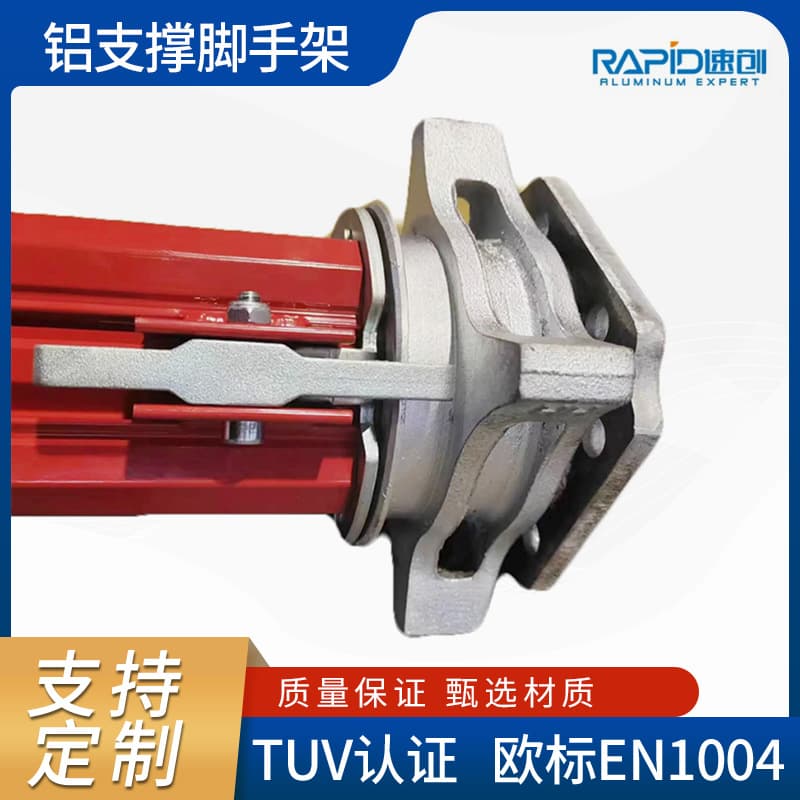
Match the documentation discussion to the right product family
The fastest way to avoid vague standards conversations is to tie them to the exact tower family or component line under review.
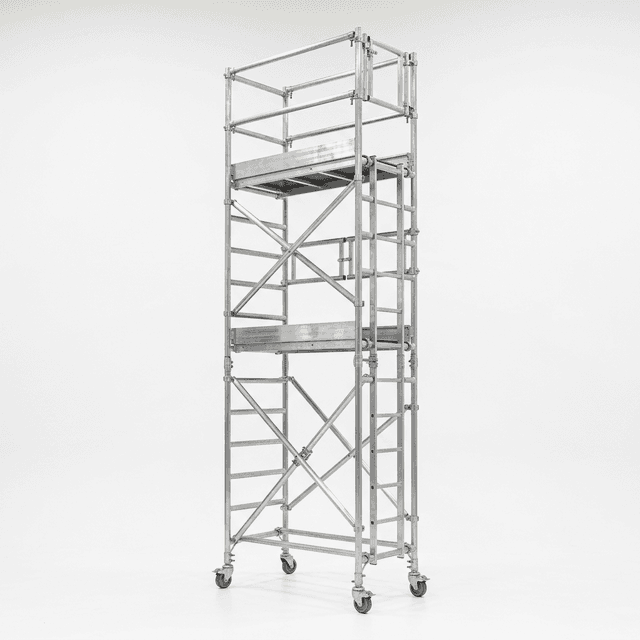
Typical review points include narrow-access use, target height band, and whether higher builds change stabilizer or manual expectations.
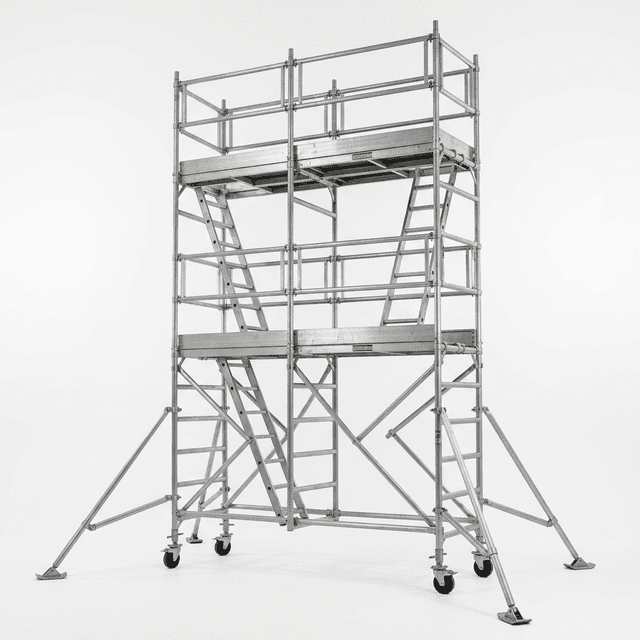
Typical review points include wider deck configuration, multi-platform package scope, and how higher working heights affect supporting documentation discussions.
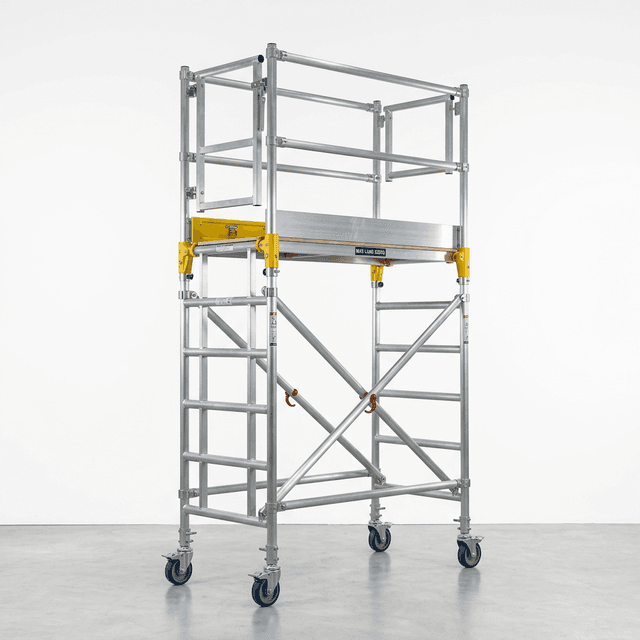
Typical review points include indoor-use assumptions, indicative height limits, and whether the project still requires extra review beyond the public product summary.
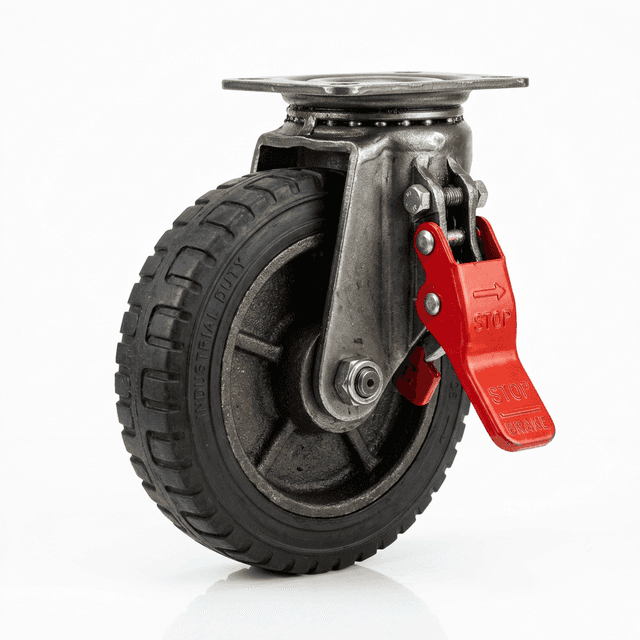
Typical review points include wheel specification, braking or locking expectations, and whether the castors are being reviewed as part of a full tower package.
Questions buyers ask before standards review moves into email
Ready to send the documentation brief?
Email the product family, target working height, quantity, destination market, and the exact standard or certificate question to start the review with the right commercial context.
Send the product family, target working height, quantity, destination market, and the exact standard or certificate question to start the review with the right commercial context.